Flowers Leaves: A Botanical Font for Creative Branding
I recently found myself staring at a blank brand board, the usual suspects in my font library feeling a bit too standard for the project. The client wanted something that felt organic, inviting, and a little whimsical—something that could reflect the warmth of their new boutique café. That’s when I stumbled upon Flowers Leaves, a botanical dingbat font that immediately caught my eye.
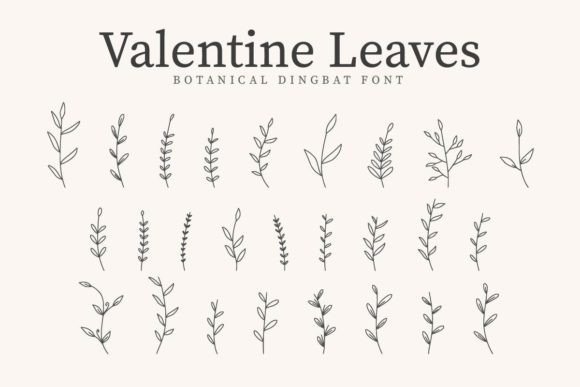
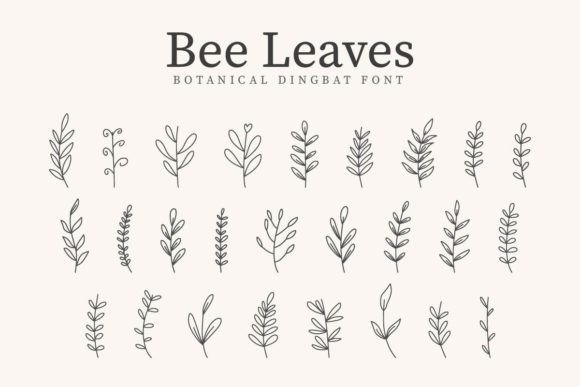
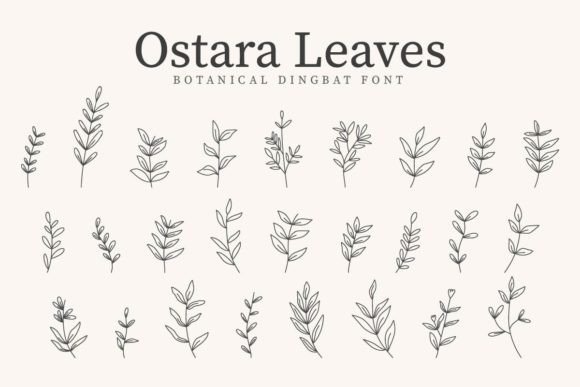
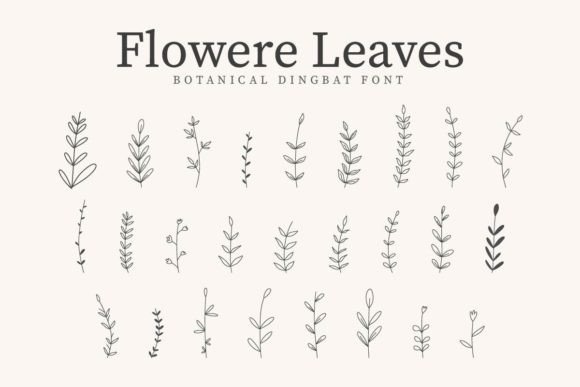
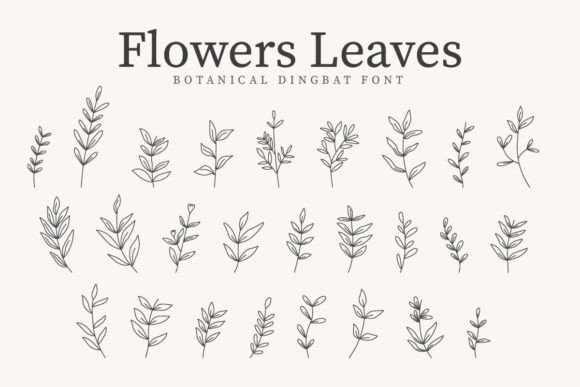
At first glance, Flowers Leaves feels like a breath of fresh air. It's not your typical sans serif or serif typeface; it's more like a collection of delicate leaves and flowers arranged in a stylized way. Each character has its own unique shape, almost like a hand-drawn botanical illustration. It brings a sense of nature and charm to any design, making it perfect for creative branding projects.
I started by testing Flowers Leaves on a logo draft. I paired it with a clean, modern sans serif font to create a contrast that worked well. The botanical elements added a touch of personality without overwhelming the overall design. It was especially effective in the logo’s tagline, where it helped convey the café’s friendly and welcoming vibe.
As I moved into developing the full brand identity, I considered how Flowers Leaves could be used across different materials. For packaging, I thought about how the font would look on a coffee bag or a menu. It looked great against a simple background, drawing attention to the text while maintaining readability. I also tested it on business cards and labels, where its intricate details stood out nicely without being distracting.
One thing I noticed early on was that Flowers Leaves works best as an accent or display font. It’s not ideal for long blocks of text due to its ornate style, but it shines when used strategically. For instance, it was perfect for headlines, social media graphics, and website headers. On a homepage hero section, it added a visual interest that made the page feel more engaging and personal.
When designing for digital platforms, I made sure to test Flowers Leaves on various screen sizes and resolutions. It held up well, though I did notice that some of the more intricate characters might lose a bit of detail on smaller screens. This is something to keep in mind if you're using it for mobile-first designs.
Another consideration was font pairing. I found that Flowers Leaves pairs beautifully with a modern sans serif font like Montserrat or Roboto. The contrast between the organic, floral elements and the clean, structured lines created a balanced and harmonious look. I also experimented with pairing it with a script font for a more elegant feel, which worked well for wedding invitations and promotional materials.
For the café’s social media graphics, I used Flowers Leaves in the headers and call-to-action buttons. It added a playful yet professional touch that aligned with the brand’s identity. I even used it in Instagram posts and flyers, where its visual appeal helped catch the eye of potential customers.
One of the most surprising uses came when I applied Flowers Leaves to a product label. It looked amazing on a handmade soap box, adding a touch of artistry that complemented the product itself. It wasn’t just a font—it became part of the storytelling.
Before finalizing the brand system, I made sure to test Flowers Leaves across all materials. I printed mockups, checked how it looked on different backgrounds, and ensured it maintained its visual appeal in both print and digital formats. It’s important to consider how a font will perform in real-world applications, especially when it comes to commercial use.
If you’re considering Flowers Leaves for your next project, I’d recommend testing it early in the design process. Use it in key areas like logos, headers, and social media content to see how it fits with your overall brand aesthetic. Don’t hesitate to pair it with other fonts to create a cohesive typographic system.
Overall, Flowers Leaves is a versatile and beautiful font that adds a unique touch to any design. Whether you’re working on a café brand, a boutique, or a creative studio, this font can help bring your vision to life with a natural and inviting feel. It’s a great choice for designers looking to blend creativity with functionality in their typography choices.